Activities
Project's Activities:
The project includes a range of activities designed to support learning, collaboration, and knowledge exchange:
Study visits in partner countries
Training seminars and workshops
HACK Training Course Seminar in Niš, Serbia: Empowering Young Athletes Through Digital Skills and Education
6–9 October 2026 | Niš, Serbia | Host: OKK Junior
From 6 to 9 October 2026, six young athletes from Greece and Germany travelled to Niš, Serbia, to participate in the HACK Training Course – HACK Sport Graduates, hosted by the OKK Junior basketball team. The international seminar brought together young athletes and project partners for four days of learning, practical activities, knowledge exchange and networking, exploring how sport can become a valuable environment for developing digital competences and promoting non-formal education.
Implemented within the framework of HACK – Hyper-Athletic Competitors Kicking into the Metaverse, the training course built on the project’s research and previous activities, connecting its findings with practical tools that can be applied in sporting environments. The programme combined interactive learning, expert contributions, discussions with local stakeholders and direct observation of basketball training, highlighting the role of education and innovation in the development of young athletes.
From Research to Practice: Exploring the HACK Tools
The first working day, on 7 October, focused on introducing the HACK project’s findings and translating them into practical learning experiences. Following the official welcome by OKK Junior and interactive team-building activities, participants explored the main findings of the HACK Research & Analysis Report, which examines athletes’ digital competences, needs and expectations.
The programme then introduced the HACK Best Form Toolbox, presenting six selected tools designed to connect sport, digital competences and non-formal education. Rather than limiting the learning experience to presentations, the training encouraged participants to actively explore how the tools could be used in real sporting contexts.
During the HACK Tools Lab – Learning by Doing, participants worked in teams to test and apply the six tools:
- Athlete Digital Identity Canvas: exploring athletes’ digital identities and how they present themselves online.
- Tell Your Sport Story: examining ways to communicate personal sporting experiences and achievements through storytelling.
- Social Media Match Plan: exploring the use of social media in sport-related communication and digital engagement.
- Data to Performance Challenge: considering how data can support reflection on sporting performance.
- Digital Fair Play Challenge: addressing responsible and fair behaviour in digital sporting environments.
- HACK It! Peer-to-Peer Lab: encouraging peer learning, collaboration and the exchange of ideas.
Through practical exercises, team challenges and reflection, participants had the opportunity to understand the purpose of each method and consider how it could be adapted to the needs of young athletes. This hands-on approach connected the project’s research with practical learning, encouraging participants to see digital competences as an important part of contemporary sporting experiences.
The day also included a guided tour of Niš, connecting sport with the city’s history, cultural identity and community life. The activity provided an opportunity for participants to discover their host city while strengthening the informal connections developed throughout the seminar.
Education Through Sport: Developing the Athlete Beyond Performance
On 8 October, the programme shifted towards the broader educational role of sport and the ways sporting organisations can contribute to young people’s personal development.
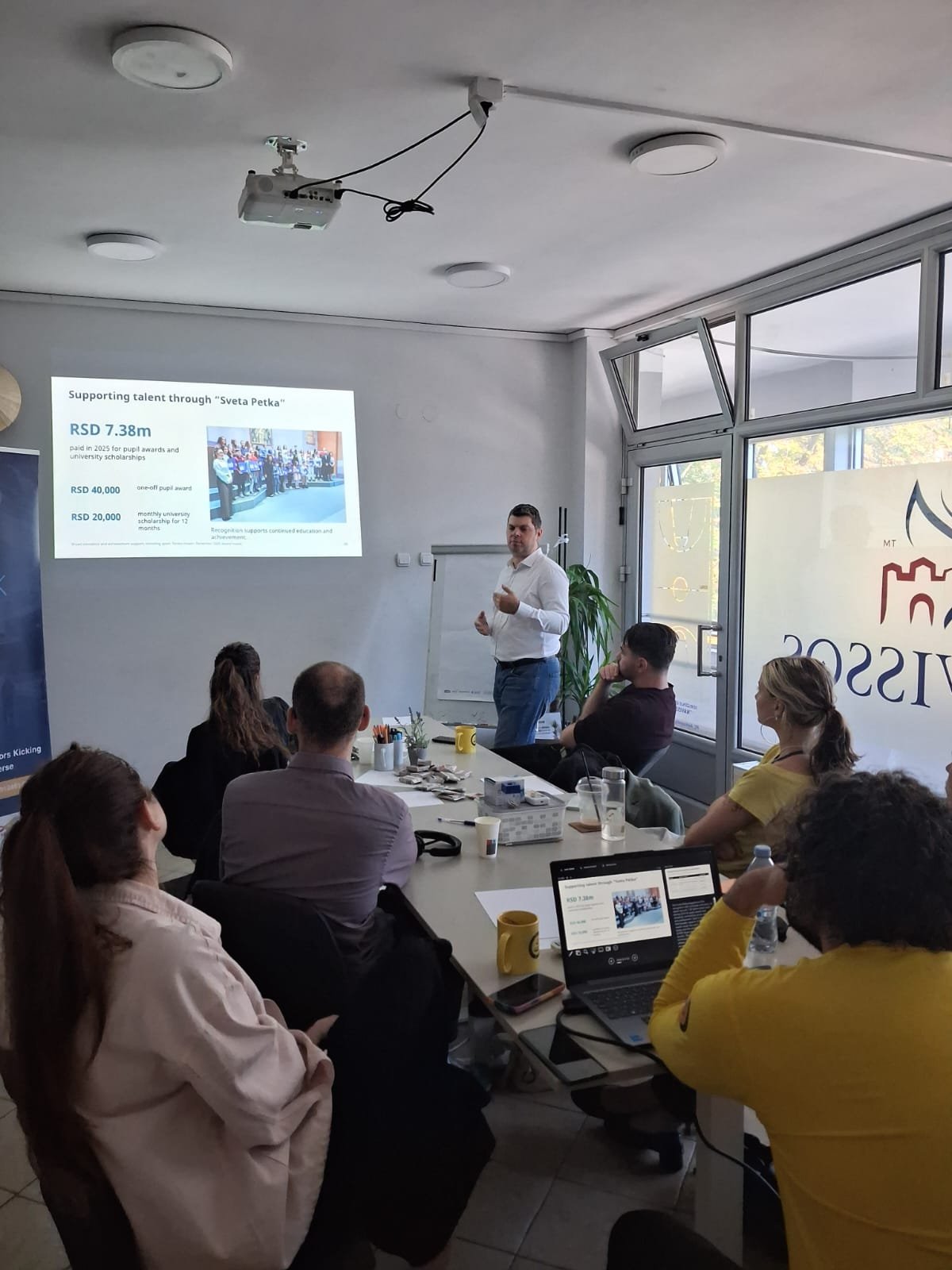
The day began with a collective reflection on the previous sessions and the key lessons from the HACK Tools Lab. This was followed by a guest session with representatives and experts from the Faculty of Sport and Physical Education, focusing on education in and through sport and the development of young athletes beyond sporting performance.
Participants also had the opportunity to exchange perspectives with representatives of basketball and other sporting structures in Niš. The session explored the relationship between training, education and athlete development, highlighting the role that sport organisations can play in creating supportive learning environments.
A further contribution came from a representative of the Municipality of Medijana, who shared local experiences in supporting sport, young athletes and community participation. This perspective connected the seminar’s educational themes with the role of local authorities in creating opportunities for sporting engagement and youth development.
These discussions continued during the panel session “The Future Athlete,” which brought together guest speakers and participants to consider digital skills, education, dual careers and the changing role of sport organisations. The exchange highlighted the importance of looking beyond immediate sporting results and recognising the wider competences young athletes can develop through their participation in sport.
Becoming a HACK Sport Graduate
A central element of the training course was the session “Becoming a HACK Sport Graduate.” Participants reflected on how the tools introduced during the seminar could be transferred to their own clubs and communities, while identifying their responsibilities as HACK Sport Graduates and planning future multiplier actions.
The focus on transfer and multiplication aimed to connect the learning experience in Niš with opportunities for continued application beyond the seminar itself. By considering how the tools could be shared and used in their own sporting environments, participants were encouraged to view themselves not only as learners but also as potential contributors to the wider dissemination of the project’s methods.
The session also included an adapted Kirkpatrick-based satisfaction and learning evaluation, providing a structured opportunity to assess participants’ experiences and learning from the training course.
Learning from Sporting Practice at OKK Junior
The practical dimension of the programme continued with a visit to OKK Junior, where participants observed basketball training sessions and exchanged experiences with coaches and trainers.
The visit focused on athlete development, education, communication and the possibilities for integrating the HACK tools into everyday sporting practice. By observing a real training environment and engaging with those involved in coaching, participants could connect the seminar’s educational discussions with the day-to-day realities of a basketball club.
This exchange provided a valuable opportunity to explore how digital competences and non-formal learning methods can complement sporting activities and how coaches and trainers can contribute to young athletes’ development beyond technical and physical performance.
Celebrating Learning and International Cooperation
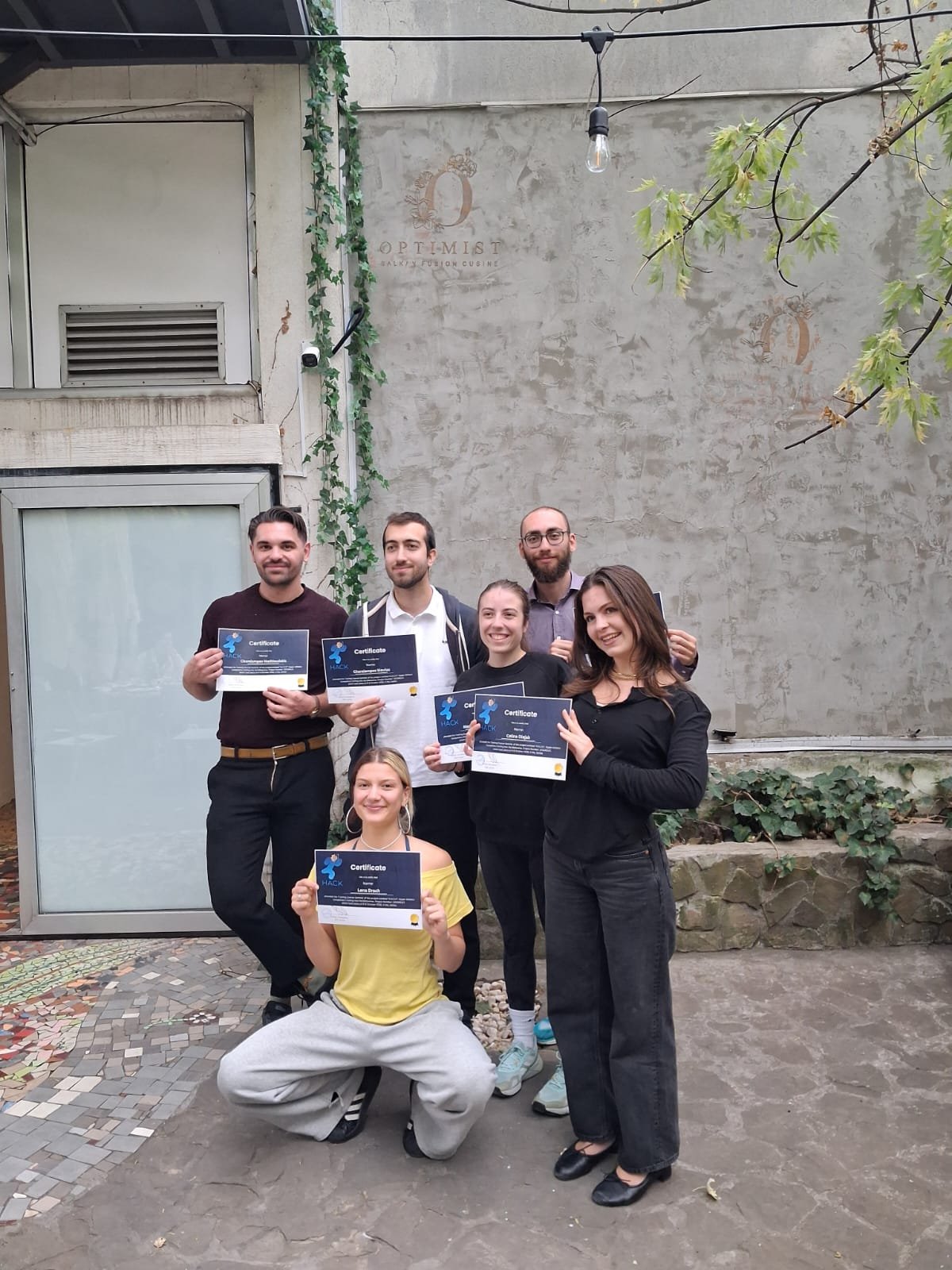
The seminar concluded with the HACK Sport Graduates’ Awards & Networking Dinner, bringing together project partners, participants and invited representatives. The closing event included the presentation of certificates, participant reflections and remarks from invited guests, celebrating the completion of the training course and the participants’ engagement throughout the programme.
Beyond recognising participation, the closing event offered a final opportunity to exchange experiences, strengthen professional and personal connections, and reflect on the value of international cooperation in sport and education.
Across four days, the HACK Training Course in Niš combined research-based learning, practical experimentation, expert contributions and direct engagement with the local sporting community. The participation of young athletes from Greece and Germany reinforced the European dimension of the initiative, creating space for cross-border learning and the exchange of perspectives.
The seminar represented an important step in connecting the HACK project’s tools and findings with the experiences of young athletes, while encouraging participants to explore how they can bring new approaches to their own clubs and communities.
Development of an online educational platform
Transnational project meetings
Networking and stakeholder engagement
Dissemination events
Through these activities, athletes gain practical skills and experience in digital tools and communication strategies.